
1. Introduction to Digital Marketing
Digital marketing refers to the use of digital channels, platforms, and technologies to promote products or services. Unlike traditional marketing, which relies on print or broadcast media, digital marketing leverages the internet, mobile devices, and social media to reach target audiences in real time. Its scope has expanded rapidly due to the global increase in internet users, smartphones, and e-commerce activity
Search Engine Optimization (SEO)
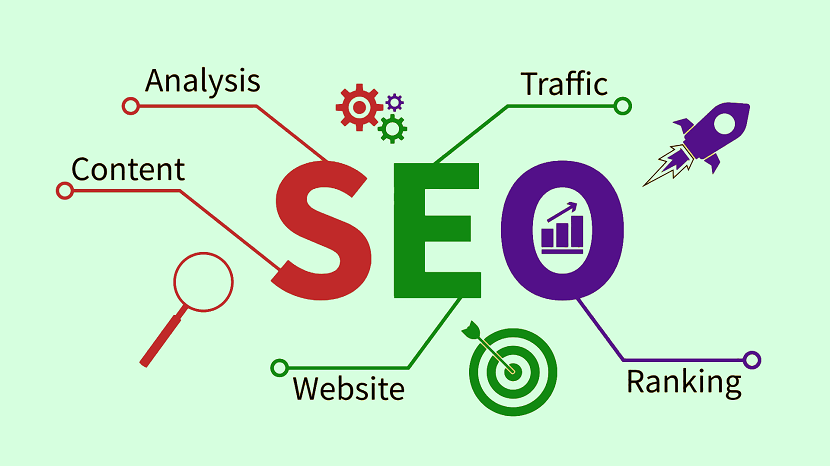
Search Engine Optimization remains one of the most crucial aspects of digital marketing. It focuses on improving a website’s visibility on search engines like Google or Bing. Through keyword research, content optimization, link building, and technical SEO, businesses can attract organic (non-paid) traffic. As search algorithms evolve, SEO professionals must adapt strategies to maintain rankings and visibility.
Pay-Per-Click Advertising (PPC)
PPC advertising allows businesses to reach potential customers instantly by paying for each click on their ads. Platforms such as Google Ads, Bing Ads, and social media networks provide opportunities for targeted campaigns. The advantage of PPC lies in its measurability and flexibility—it offers quick visibility and can be adjusted based on performance metrics and budgets.
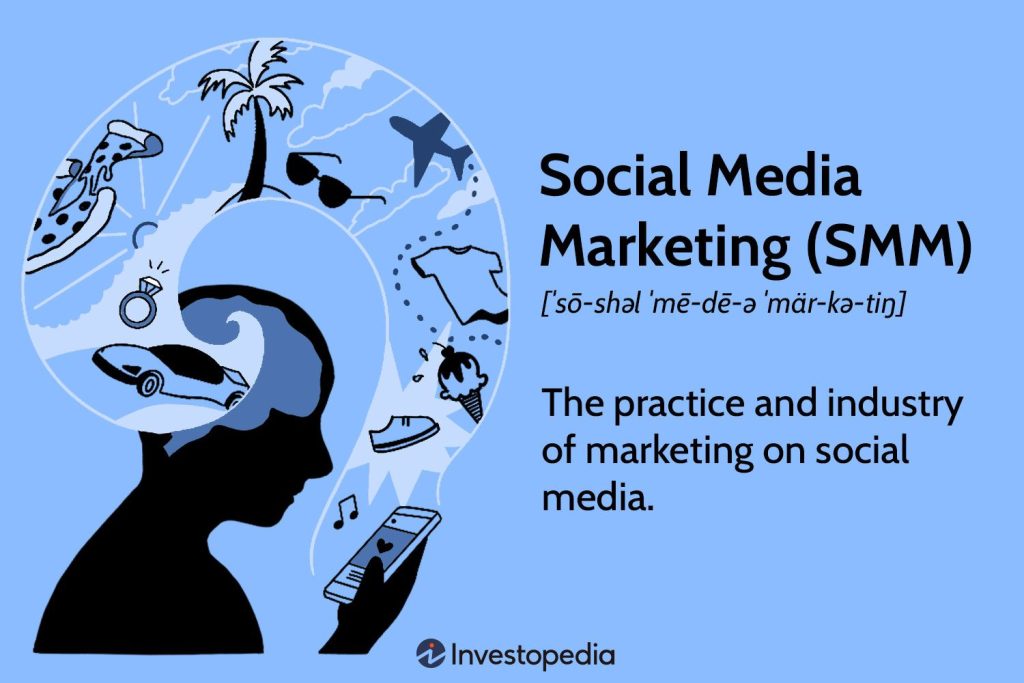
Social Media Marketing (SMM) Social media marketing focuses on platforms like Facebook, Instagram, X (formerly Twitter), LinkedIn, and TikTok to engage audiences and build brand awareness. It includes both organic posting and paid promotions. As user behavior continues to shift toward short-form video and interactive content, social media specialists are in high demand to create strategies that drive engagement and conversions
Content Marketing
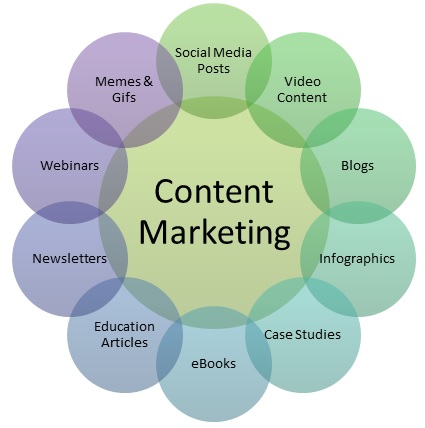
Content marketing involves creating and distributing valuable, relevant content to attract and retain a clearly defined audience. Blog posts, videos, infographics, podcasts, and e-books are examples of content marketing tools. The goal is to establish authority, build trust, and guide potential customers through the buyer’s journey. With the rise of AI and personalization, content strategies are becoming increasingly data-driven
Email Marketing
Despite being one of the oldest digital marketing channels, email marketing remains highly effective. It helps businesses nurture leads, promote products, and maintain customer relationships. Automation tools and personalization techniques have made email campaigns more targeted and efficient, increasing open and conversion rates.
Affiliate marketing allows businesses to partner with individuals or companies who promote their products for a commission. Similarly, influencer marketing leverages the credibility and reach of social media personalities to endorse brands. These strategies are powerful in building trust and expanding reach, especially among younger demographics.
Analytics and Data-Driven Marketing
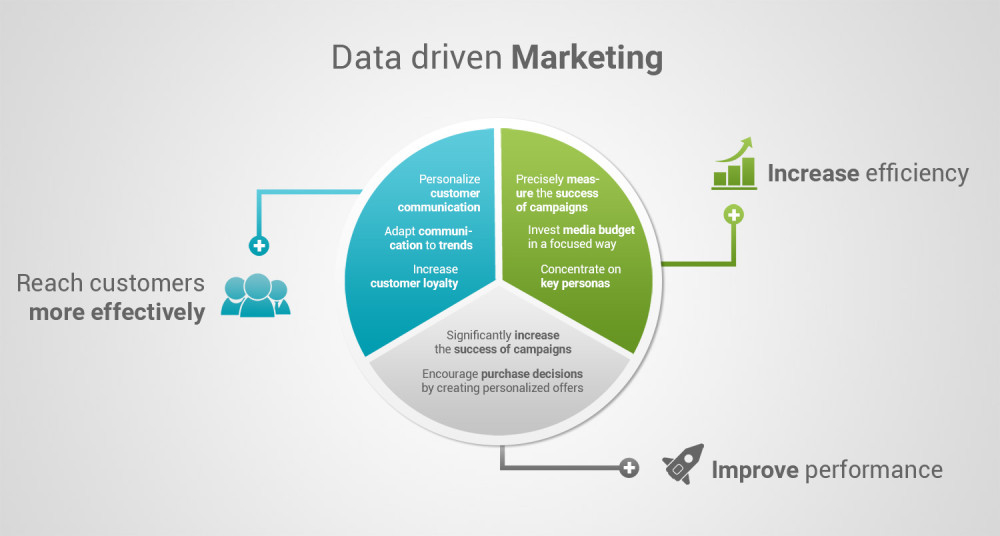
Data is the backbone of digital marketing. Through analytics tools such as Google Analytics, marketers can measure campaign performance, understand customer behavior, and optimize strategies. Predictive analytics and AI-driven insights now enable hyper-personalized marketing approaches that improve ROI and customer satisfaction

Future Scope and Career Opportunities
The future of digital marketing is vast, driven by advancements in artificial intelligence, automation, voice search, and virtual reality. Businesses across all sectors are investing heavily in digital strategies, creating immense career opportunities for SEO specialists, content creators, data analysts, and digital marketing managers. As online presence becomes indispensable, the demand for skilled professionals will continue to grow globally.
In summary,
the scope of digital marketing spans multiple domains—from SEO and social media to data analytics and emerging technologies. It offers businesses a measurable, cost-effective way to connect with audiences and adapt to evolving consumer behavior in the digital age.